 Asphalt paving and sealcoating · Davenport, IA
Professional paving services for Davenport, Bettendorf, Moline, and Rock Island. We work throughout the Quad Cities region.
Get my free quoteWhen you live near the Mississippi River, your driveway and parking lot take a beating. The freeze-thaw cycles here are brutal. Water gets into small cracks, freezes and expands dozens of times each winter, then summer heat and humidity finish the job. We see it every day in neighborhoods from McClellan Heights to the Village of East Davenport.
Davenport sits on clay-heavy soils left behind by ancient glaciers. Clay holds water, which means hydrostatic pressure pushes against your asphalt from below while rain and snowmelt attack from above. Without proper grading and a solid base, driveways can crack and settle within a few years. We've been fixing these problems throughout Scott County and know what it takes to make pavement last.
After the record flooding in 2019 when the Mississippi crested at 22.7 feet, a lot of driveways and parking areas took damage. Even properties away from the river saw issues from saturated soils and weeks of standing water. We handle everything from small residential driveways to commercial lots, with work done right for local conditions.
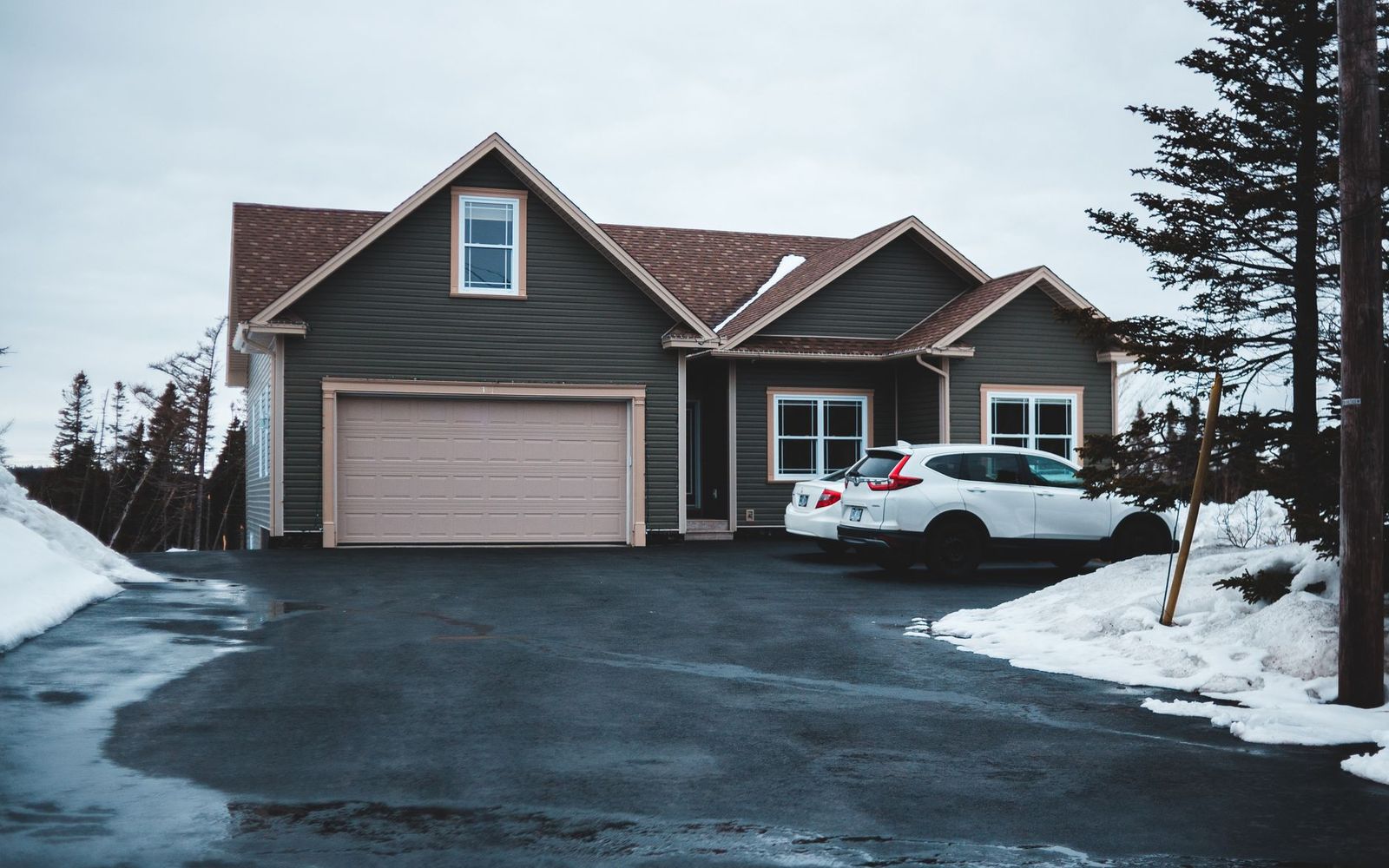
New asphalt driveways built on properly compacted base material that handles our clay soils. We grade for drainage so water moves away from your foundation instead of pooling on the surface.
Commercial parking lots designed to handle heavy traffic and Iowa weather. Proper thickness and base prep mean your lot holds up through freeze-thaw cycles and spring flooding season.
Protective sealcoat application extends pavement life by blocking water and UV damage. We recommend sealing every 2-3 years for driveways in the Quad Cities area to prevent premature cracking.
Fix potholes, cracks, and settling before they spread. Small repairs done now save you from full replacement later, especially important with our soil conditions.
Hot rubberized crack filler stops water from getting under your pavement. This is critical here because once water penetrates, our freeze-thaw cycles destroy asphalt fast.
Remove the top layer and put down fresh asphalt when the base is still good. Costs less than full replacement and adds years of life to worn parking lots and driveways.
Clay soils and freeze-thaw cycles require specific base preparation and drainage solutions. We've worked throughout Davenport, Bettendorf, and the surrounding towns long enough to know what fails and what lasts.
The base is everything on clay soil. We excavate to proper depth, compact aggregate in lifts, and grade for positive drainage. Shortcuts here mean failure in two or three years.
You get a written estimate that explains what we're doing and why. No surprises, no pressure. If we find issues during excavation, we talk to you before proceeding.
We've fixed plenty of driveways that were installed wrong by others. Poor compaction, inadequate base, bad drainage. We do it right so you don't need us back next year.
The Quad Cities region sits right on the Mississippi River with humidity running 71% to 83% year-round. That moisture combined with clay-heavy glacial soils means water is constantly working against your pavement. We get dozens of freeze-thaw cycles each winter when temperatures swing above and below 32 degrees. Water in cracks expands about 9% when it freezes, creating more cracks that let in more water. It's a cycle that destroys asphalt fast if the base wasn't done right. Homes in older neighborhoods like Gold Coast and Hamburg Historic District were built between 1850 and 1915, and many driveways are just as old or have been patched repeatedly without fixing underlying drainage problems.
Spring 2019 brought record flooding when the Mississippi crested at 22.7 feet on May 2, breaking the 1993 record of 22.63 feet. Downtown Davenport flooded after a temporary levee failed on April 30, and the river stayed above major flood stage for over 40 days. Even properties away from the river dealt with saturated clay soils that stayed wet for months. When soil stays saturated, it loses load-bearing capacity and asphalt above it cracks and settles. The City of Davenport requires permits for driveway work that connects to public streets, so we handle that paperwork as part of the job. Good drainage and proper base prep aren't optional here, they're the only way pavement survives our conditions.
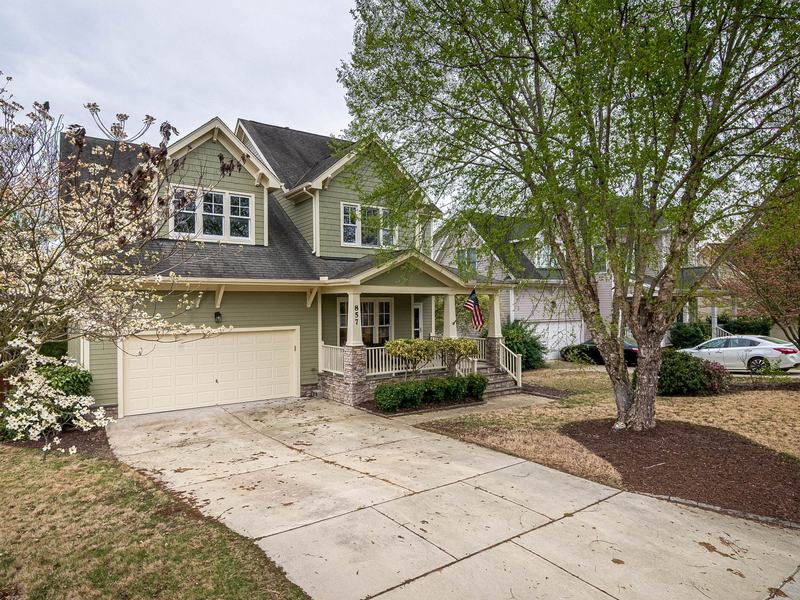
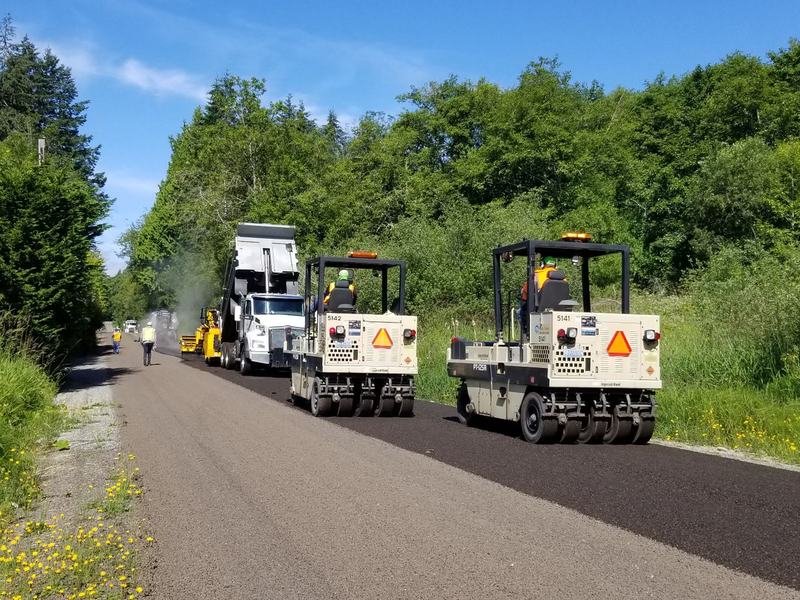
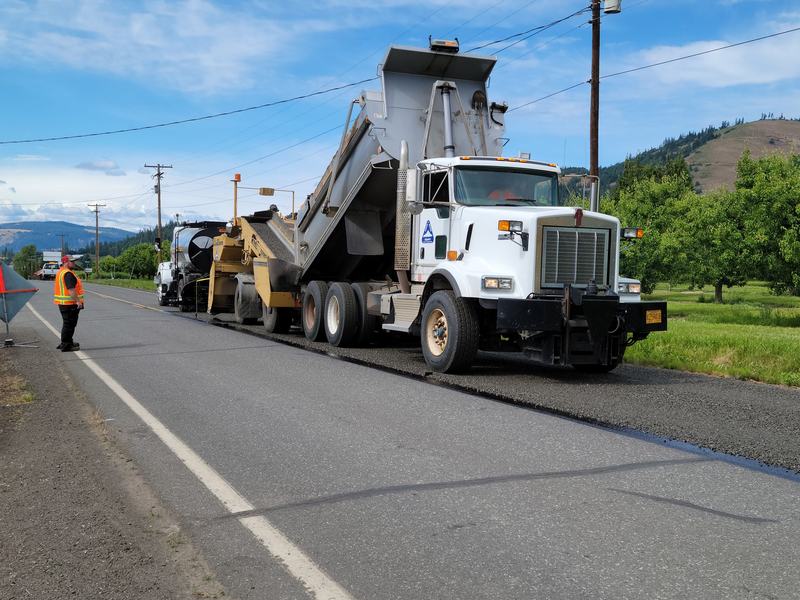
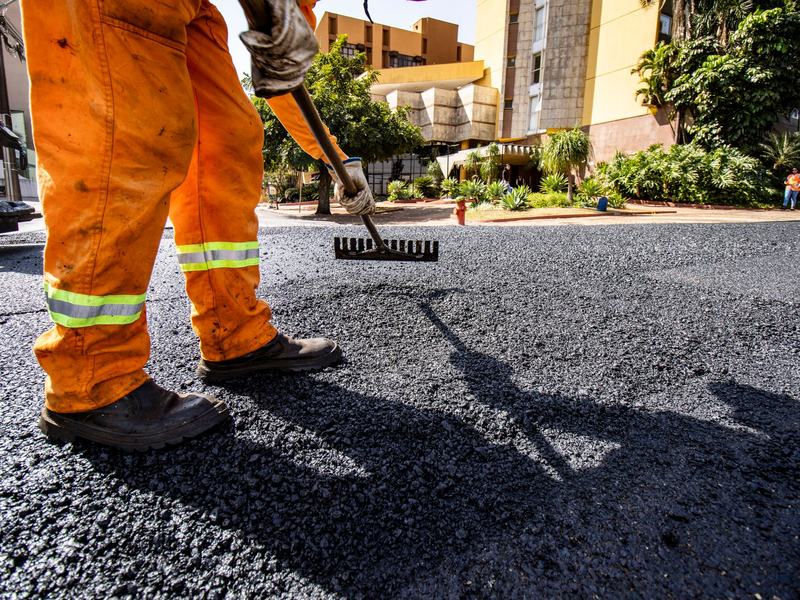
A typical residential driveway runs between $3 to $5 per square foot installed, so a standard two-car driveway around 600 square feet usually costs $1,800 to $3,000. Sealcoating runs about $0.15 to $0.25 per square foot, which means $90 to $150 for that same driveway every few years. Parking lots cost $2.50 to $4 per square foot depending on size, with larger areas getting better per-foot pricing. Prices go up if we need to remove old asphalt or concrete, if drainage problems require extra excavation and base work, or if access is difficult. Clay soil that needs extra stabilization or areas that have settled from past flooding also add to the cost. Crack filling and patching run $100 to $300 for minor repairs, while full resurfacing costs about 60% of new installation. These are typical ranges for Scott County work and actual prices depend on your specific site conditions.
Based around Davenport, IA, we also take jobs in these nearby towns. Put your town on the form and we will tell you right away if we can help.
A properly installed driveway with good base prep should last 20 to 30 years here. The key is having adequate base material compacted well and grading that moves water away from the surface. With sealcoating every 2-3 years and prompt crack repair, you can push that even longer.
Late spring through early fall works best, typically May through October. Asphalt needs warm temperatures to compact properly and cure. We avoid paving when rain is forecast or when temperatures drop below 50 degrees at night.
Clay soils hold water and expand when wet, then our freeze-thaw cycles do the rest of the damage. Water gets in small cracks, freezes and expands, makes the cracks bigger, and the cycle repeats dozens of times each winter. Poor drainage and thin base material make it worse.
Yes, if your driveway connects to a public street, the City of Davenport requires a permit. We handle the permit application as part of our service so you don't have to deal with the paperwork.
Residential driveways typically need 2 to 3 inches of compacted asphalt over 4 to 6 inches of compacted aggregate base. Commercial parking lots need more, usually 3 to 4 inches of asphalt, depending on expected traffic loads.
Sometimes, but usually it's not the best approach. If the concrete is broken up and settling, that movement will transfer through to the asphalt on top. Most of the time we recommend removing the old concrete, fixing drainage and base issues, then paving fresh.
Tell us what you need and where. We usually reply within one business day. A photo helps us give you a faster, more accurate quote.
No obligation and no pressure.
 QUAD CITY